The C4 environment is an environment with a high level of corrosion, which has a significant impact on metal materials used in construction.
Areas classified as C4 environments are those with characteristic harsh climates, such as high humidity, high levels of sea salt, and exposure to corrosive chemicals. This leads to the rapid deterioration of metal materials, reducing the lifespan of structures and increasing maintenance costs.
Let’s join Ton Nam Kim to learn about the C4 environment, the areas in Vietnam that fall into this category, and the perfect solution to cope with the challenges posed by this type of harsh environment.
- What is a C4 environment? Characteristics of the C4 environment?
In the construction and materials industry, the corrosive environment is a critical factor directly affecting the durability and lifespan of structures, especially those using metal materials like steel and coated steel sheets. According to the international standard ISO 12944 concerning the protection of metallic materials against corrosion, corrosive environments are classified into categories ranging from C1 (very low corrosion) to C5 (very high corrosion). Among these, the C4 environment is classified as having a high level of corrosion, significantly affecting metal materials.
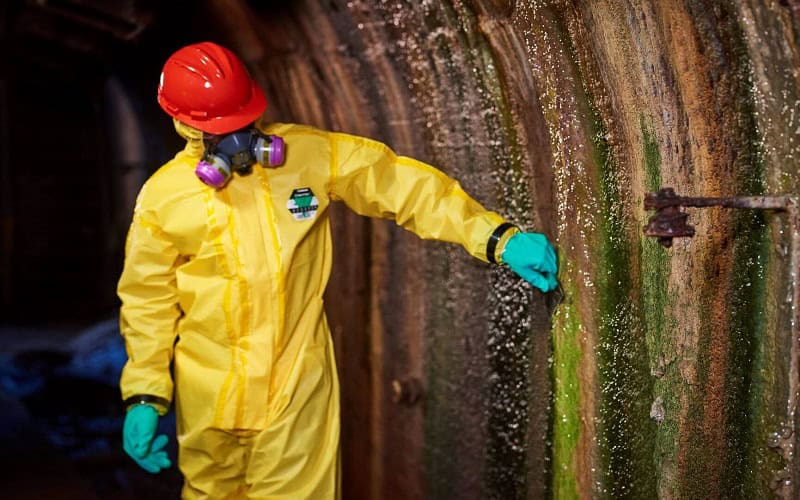
C4 environments are locations characterized by harsh climates with high humidity and frequent exposure to corrosive agents such as salt, chemicals, and industrial emissions. This type of environment primarily occurs in coastal regions or heavy industrial areas, where pollution and chemicals accelerate the oxidation of metals, causing rapid corrosion.
Characteristics of the C4 environment:
- Prolonged high humidity: C4 environments typically have high air humidity, often exceeding 70%, accompanied by heavy rainfall, which makes metal surfaces prone to oxidation.
- Sea salt: In coastal areas, the water vapor in the air contains high levels of sea salt, increasing the corrosion rate of metals.
- Industrial chemicals: In areas with heavy industrial plants, emissions containing corrosive compounds such as sulfur dioxide (SO2) or chlorides (Cl−) also contribute to accelerating the rusting process.
The specific nature of the C4 environment demands that contractors and project owners pay special attention to selecting building materials with good corrosion resistance, aiming to ensure structures have a long lifespan and are durable against the impacts of harsh conditions.
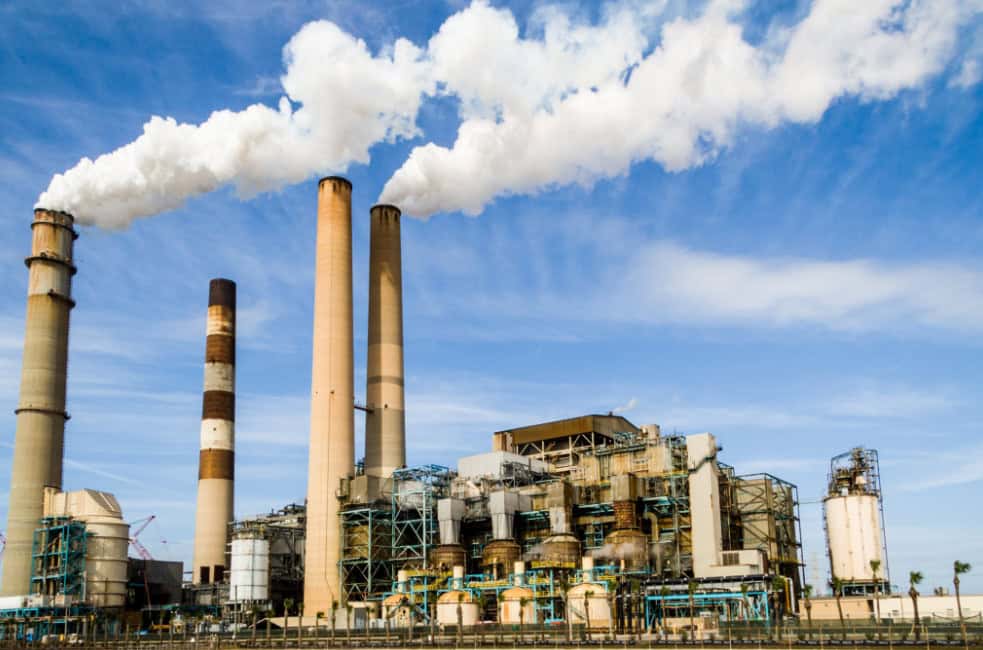
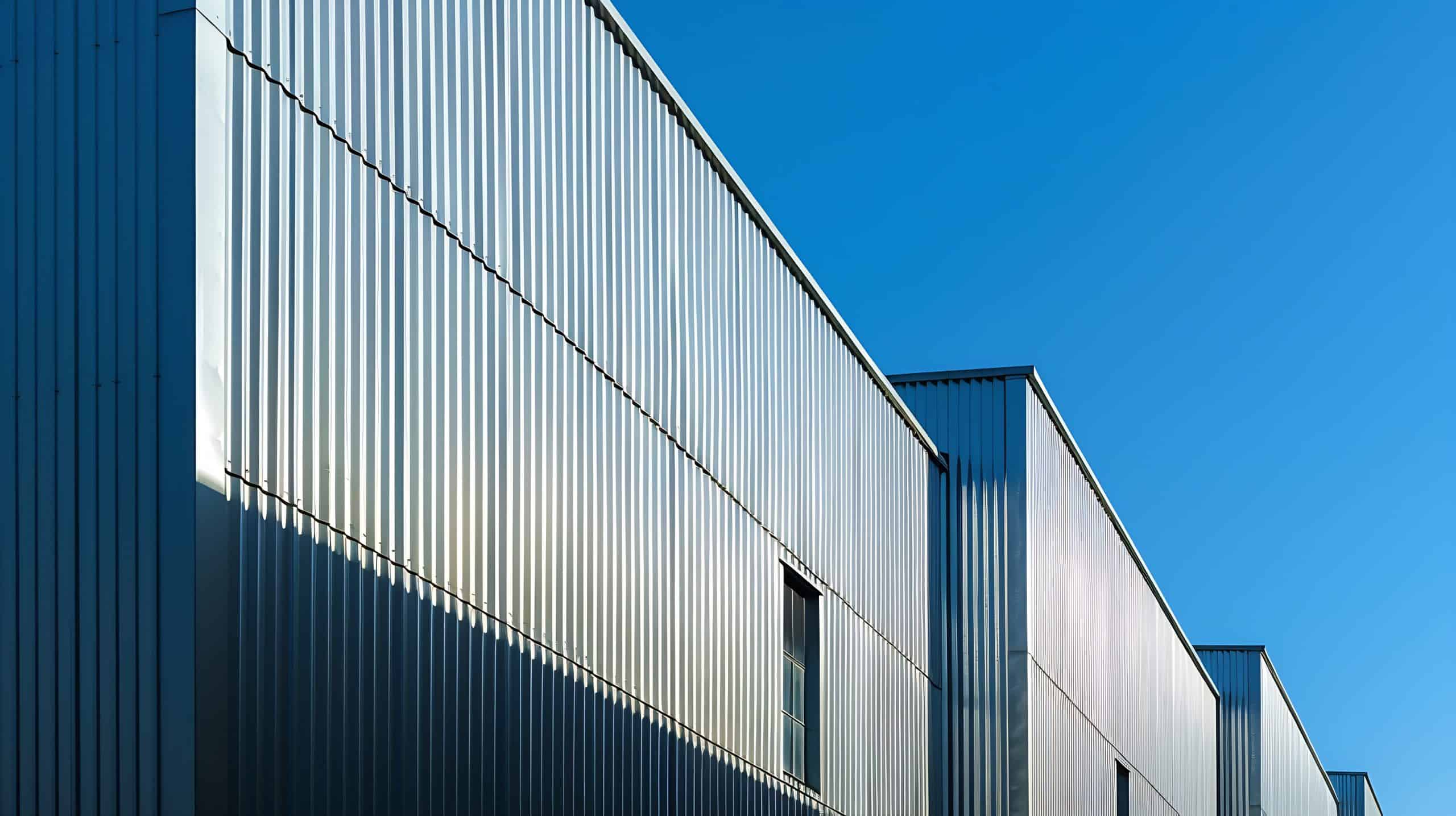
Factory/industrial plant environments contain many agents that affect the quality of construction.
- Which places in Vietnam are C4 environments?
Vietnam has a tropical humid climate, with many areas exhibiting environmental conditions similar to C4. These areas are often concentrated in coastal regions or large industrial centers, where high humidity, sea salt, and industrial emissions combine. Below are some typical regions in Vietnam considered to be C4 environments:
- Coastal Areas
Vietnam has a coastline stretching over 3,200 km from North to South. Coastal areas frequently endure direct impact from salt-laden sea vapor, coupled with the tropical humid climate, making construction projects here susceptible to corrosion. Some typical coastal areas include:
- Central Vietnam: Provinces from Da Nang to Binh Dinh and Quang Ngai are often affected by sea salt and storms, creating C4 environmental conditions. High humidity combined with salt in the air causes rapid corrosion of metals, reducing the lifespan of construction projects.
- Mekong Delta Region: Coastal provinces like Ca Mau, Bac Lieu, and Soc Trang have a humid environment and are directly influenced by the sea, resulting in high corrosivity. Salt-laden moisture from the sea and air humidity mean building materials here face severe oxidation challenges.
- Industrial Areas
Besides coastal regions, heavy industrial areas in Vietnam are also classified as C4 environments. Pollution from industrial emissions, particularly compounds containing sulfur and chlorides, significantly contributes to metal corrosion. Some typical industrial areas include:
- Hai Phong and Quang Ninh: As northern industrial centers, Hai Phong and Quang Ninh host numerous manufacturing plants, coal mining operations, and chemical industries. Emissions from these factories contain many corrosive substances like SO2 and Cl−, fostering the development of a C4 environment.
- Binh Duong and Dong Nai Areas: In the South, Binh Duong and Dong Nai are provinces with a high degree of industrialization, featuring many large industrial parks. The presence of manufacturing and chemical plants also contributes to increasing the environment’s corrosivity, particularly impacting metal construction structures.

Impact of the C4 environment on building materials
In a C4 environment, metal materials readily oxidize and corrode. This particularly affects construction projects using steel or conventional galvanized steel sheets, causing the durability of these structures to decrease rapidly. When facing a high-corrosivity environment like C4, inadequately protected structures will require frequent maintenance and replacement, resulting in significant costs for investors.
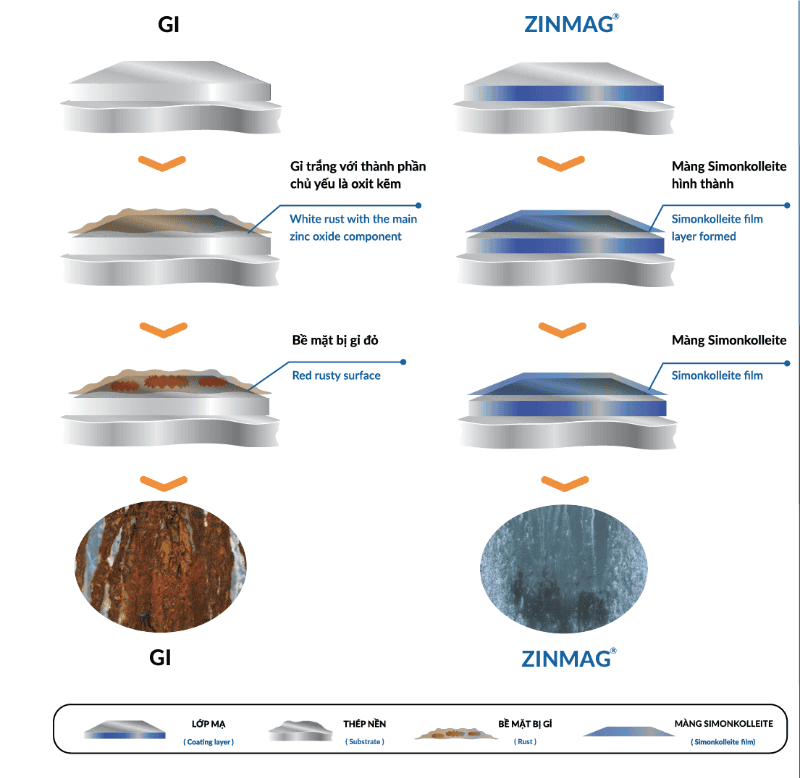
Conventional Steel and Galvanized Steel Sheets In highly corrosive environments, conventional steel and galvanized steel sheets are prone to rusting. The zinc coating provides only a certain level of protection, and once damaged or oxidized, the material corrodes quickly. This corrosion process not only detracts from the aesthetic appearance but also damages the structure’s integrity.
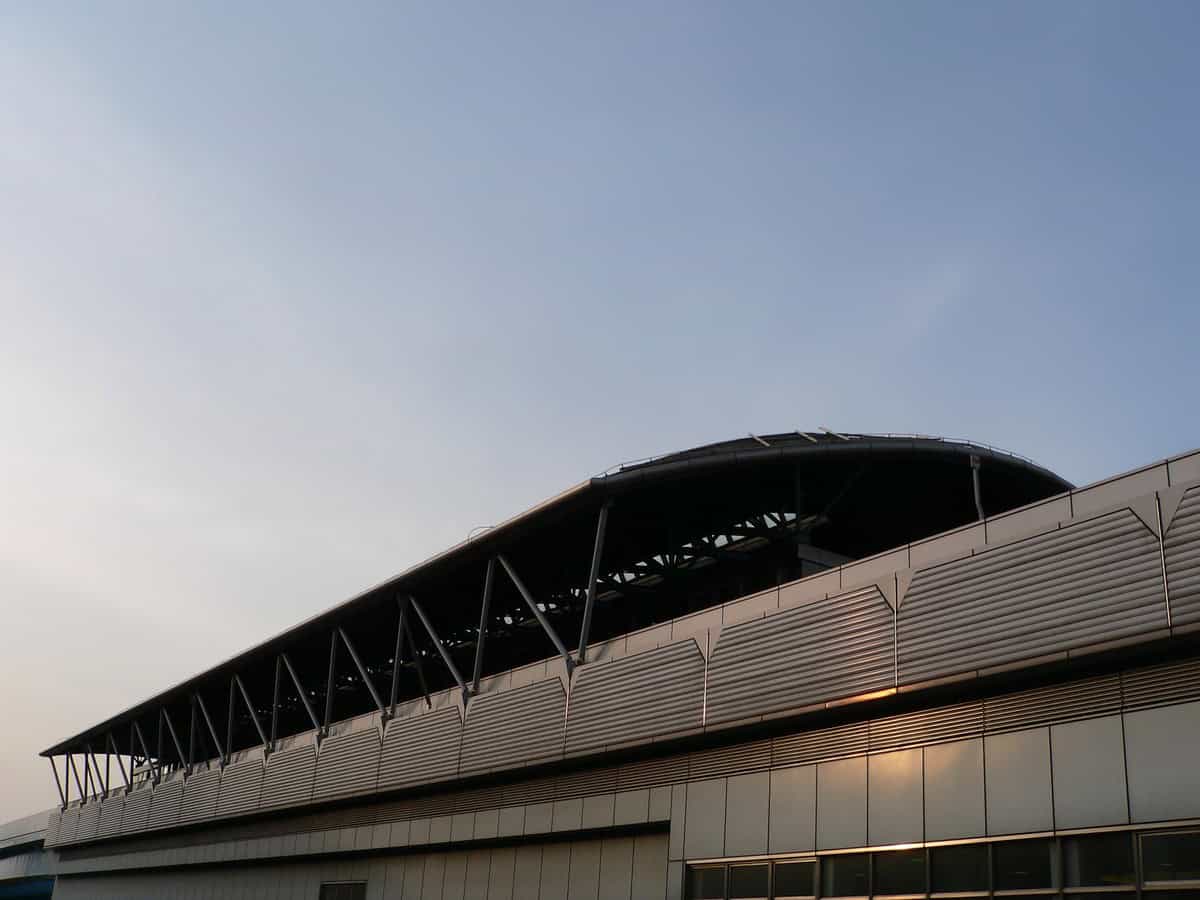
Cladding Materials in C4 Environments The roof is a critical component of any building, especially in harsh climates or industrial areas. The roof protects the entire structure beneath it and also plays roles in insulation and waterproofing. In a C4 environment, using unsuitable materials will lead to rapid roof degradation, causing safety issues and necessitating frequent maintenance.
Anti-Corrosion Solution with Magnesium-Coated Steel – Ton Nam Kim’s ZINMAG®
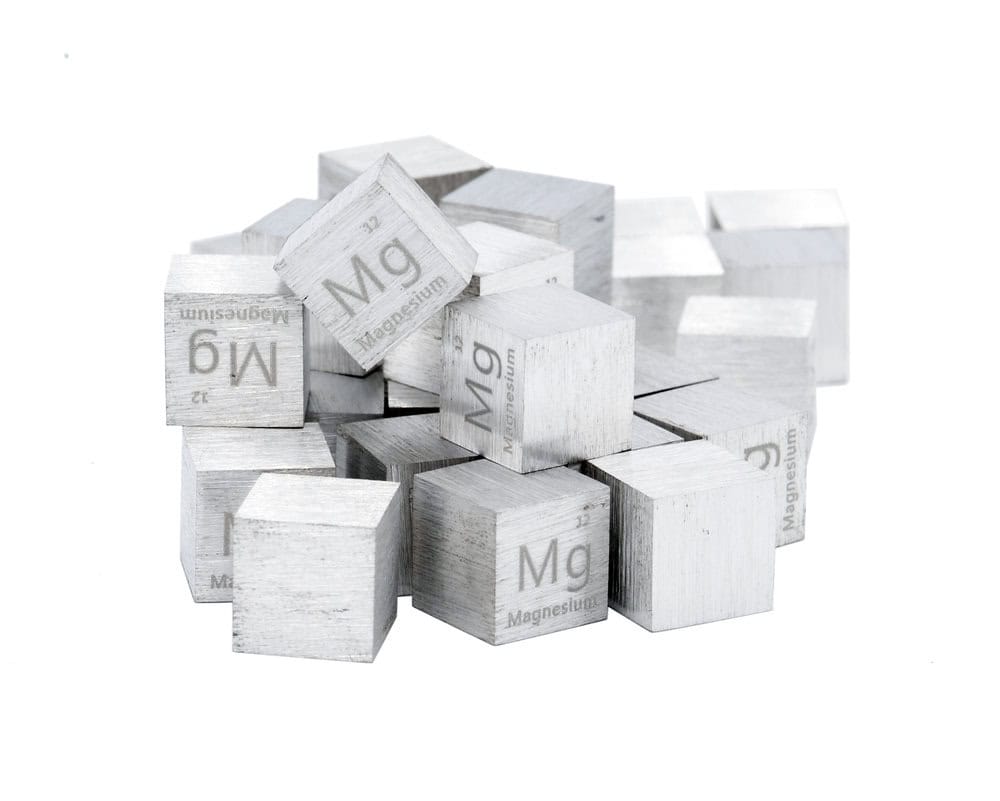
Facing the challenges of the C4 environment, selecting appropriate building materials to protect structures is crucial. ZINMAG®, Ton Nam Kim’s Magnesium-coated steel product, is considered a breakthrough solution offering superior corrosion resistance, especially under harsh environmental conditions like C4.
Advanced Magnesium-Zinc Coating Technology ZINMAG® is produced with an alloy coating consisting of zinc and magnesium, creating a durable protective layer with corrosion resistance up to 5 times higher than conventional galvanized steel sheets. This magnesium-zinc layer not only prevents oxidation but also possesses a self-healing capability when damaged.
- Optimal Corrosion Resistance: The magnesium layer in ZINMAG® helps prevent rust and slows down metal oxidation caused by sea salt and industrial emissions. This is a key factor making ZINMAG® a top choice for projects in C4 environments.
- Coating Regeneration: A notable characteristic of ZINMAG® is its ability to self-heal the coating when slightly damaged. This ensures that even if the surface gets scratched, the magnesium-zinc coating can still protect the underlying metal surface.

Increased Structure Lifespan Thanks to its excellent corrosion resistance, ZINMAG® has a significantly longer lifespan compared to conventional steel sheets. This not only minimizes maintenance costs but also ensures the sustainability of construction projects in C4 environments. Coastal areas and heavy industrial zones are where ZINMAG® demonstrates its maximum effectiveness.
Diverse Applications – Durable Over Time ZINMAG® is highly valued not only for its durability but also for its high aesthetic appeal, featuring a uniform, spangle-free surface that ensures material consistency. Additionally, with a variety of thicknesses and technical specifications, ZINMAG® is widely used for numerous structural components: purlins, trusses, frames, cladding, etc. Structures using ZINMAG® are not only well-protected against corrosive impacts but also maintain their beauty over time.
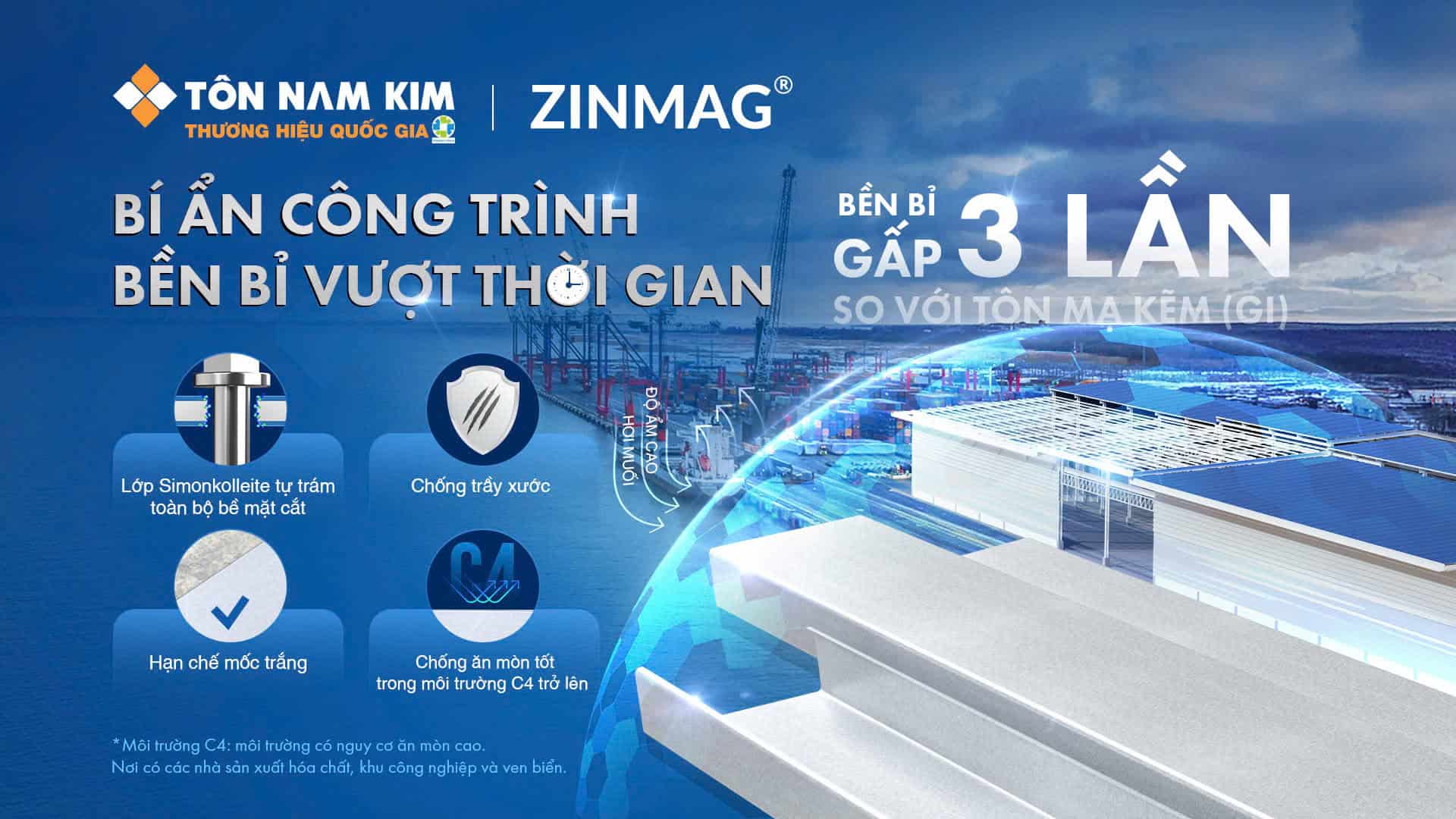
ZINMAG® accompanies structures, ensuring their endurance over time
Conclusion
The C4 environment in Vietnam, characterized by coastal climates and heavy industrial zones, presents significant challenges for protecting construction projects, especially those utilizing metal materials. Corrosion in this environment affects not only aesthetics but also reduces the lifespan and safety of structures.
In this context, employing effective anti-corrosion solutions like Ton Nam Kim’s ZINMAG® is an optimal choice. It helps protect structures against the impacts of harsh conditions while increasing their durability and lifespan. With its advanced magnesium-zinc coating, ZINMAG® delivers superior corrosion resistance suitable for Vietnam’s C4 environmental zones.